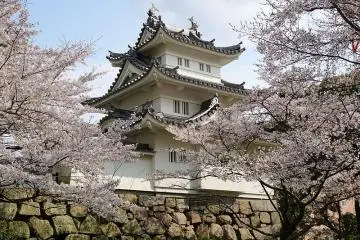
During the Edo Period, Tsu prospered as a stopover town for those making the pilgrimage to the Great Shrine of Ise. The ruins of Tsu Castle have become a city park, and remain a popular tourist destination. Famous festivals include the Tojin Odori celebrating the arrival of a Korean delegation during the Edo Period (1603-1868)
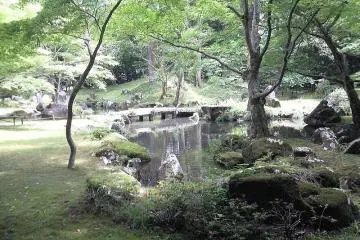
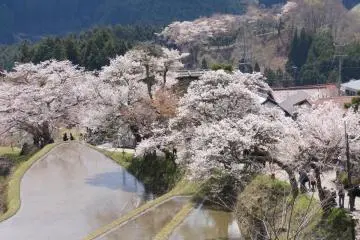
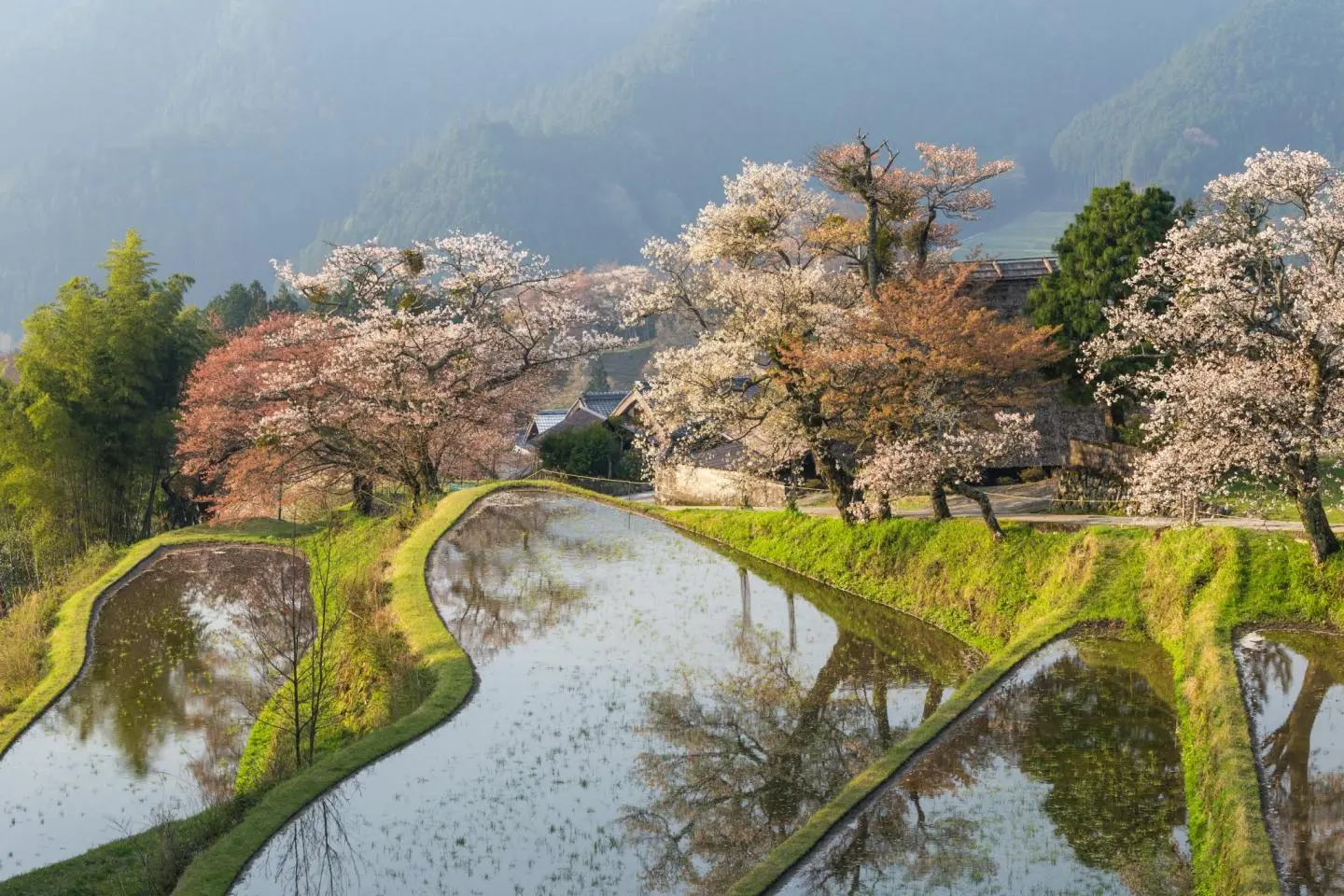
Other attractions include Kairaku Park, dating back to the 1630’s and famed for it’s spring cherry blossom, the Senju-Ji Temple, Mie’s largest Buddhist temple and adjoining Unyu-en Garden, the Yuki Shrine
Despite being the prefectures’ capital, and a merger with the surrounding nine towns and villages in 2006, it has the second highest population behind the port town of Yokkaichi City, and only after the merger became the largest by area over Matsusaka City. Tsu is also home to Mie University, ranked the world’s 250th best university
Tsu is serviced by the Kintetsu Nagoya Line linking to Nagoya City 66 kilometers away, the Kisei Main Line connecting Mie and Wakayama Prefectures, and the 22 kilometer long Ise Railway Line between Tsu and Yokkaichi. High speed ferry boat services run between Tsu and the Chubu International Airport on the opposite side of the bay.
Tsu is often overlooked as a tourist destination, and thats what makes it all the more interesting, seeing places, experiencing things few others get the chance to! Expect to be able to spend a long time in the short named Tsu!
More