Kyoto Adashino Nenbutsu-ji 1 of 4
Shozo FujiiTo the East is Toribeno, to the West is Adashino. These two areas of Kyoto are known as the burying grounds of people that have died from war, natural disaster, or disease.
Adashino Nenbutsu-ji is a Buddhist temple in Ukyo-ku, Kyoto, Japan. In 811 Kūkai is said to have founded a temple, then Honen altered it to the present Nenbutsuji. [Wikipedia]
To the East is Toribeno, to the West is Adashino. These two areas of Kyoto are known as the burying grounds of people that have died from war, natural disaster, or disease.
To the East is Toribeno, to the West is Adashino. These two areas of Kyoto are known as the burying grounds of people that have died from war, natural disaster, or disease
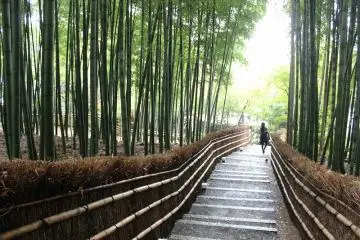
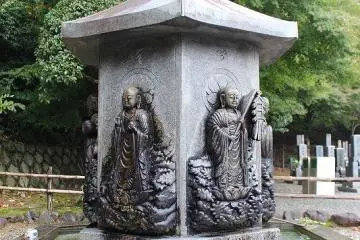
Off to the side of the area where mizuko (water children) jizo statues are, up a steep hill surrounded by a bamboo forest rests the "six-sided, six-bodies of jizo" monument. Part 3 of a 4 part series of Kyoto Adashino Nenbutsu-ji.
1,200 years ago where Adashino Nenbutsu-ji now stands, the famous priest Kobo Daishi (also known as Kukai) opened a Chisan sect Shingon Buddhist temple dedicated to Nyorai. It later became Adashino Nenbutsu-ji.
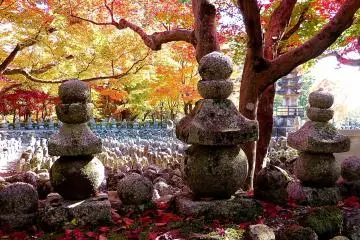
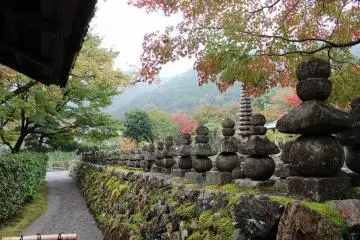
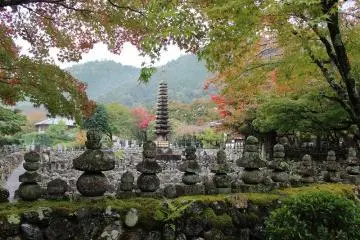
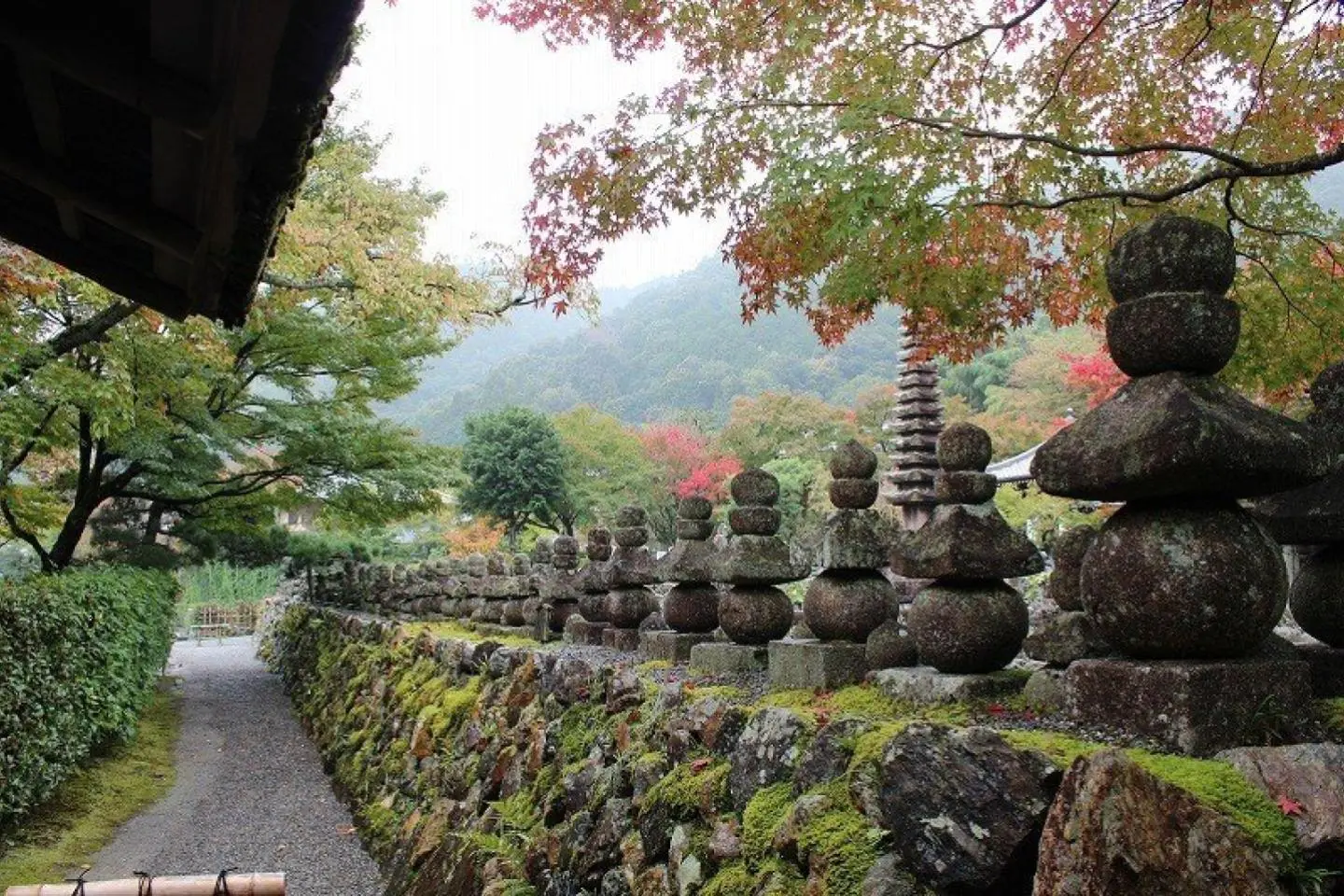
More than 800 stone statues sit close together at Adashino Nenbutsu-ji Temple. Splendid autumn leaves put their arms around the statues and give them a comforting hug. The location of today’s Adashino Nenbutsu-ji Temple (northwest outskirts of Kyoto) was once a location used for open-air burial. As the years passed, the bones withered and scattered in the fields and mountains. A hundred years ago, locals collected the bones and buried them in this temple as a way to grieve for the dead.
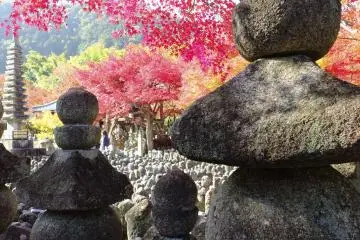
It's hard to explain why, but the atmosphere here soothed and relaxed me. Perhaps it was the beauty of the autumn foliage. But I was surprised -- perhaps I didn't expect to feel peaceful in a place that was originally an open-air burial site. The temple was established over 1200 years ago by Kobo Daishi. Only accessible by bus (it's a 50-minute ride!) I felt that my time was very well spent. It's quiet here, and not overly crowded, perhaps because it is so far away from central Kyoto. There i a bamboo grove up behind the temple that is also quite nice.
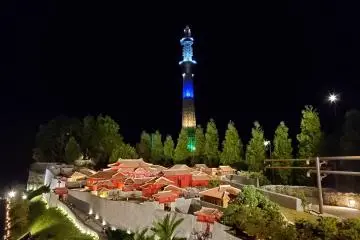
Tochigi's Tobu World Square is home to over 100 reproductions of famous buildings on a miniature scale. For a limited period this December and January, the park will be illuminating these incredible mini structures so that visitors can appreciate them after dark.
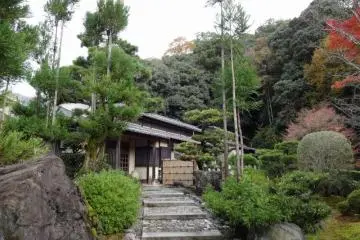
A hidden gem, Ryokan Yamazaki is worth the 30 minute bus ride from central Kyoto. Tranquil surroundings, hearty food and family treatment will start & end your day right.
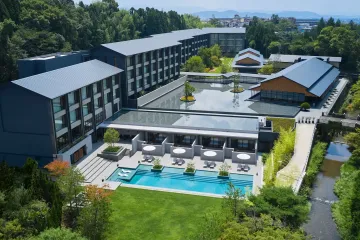
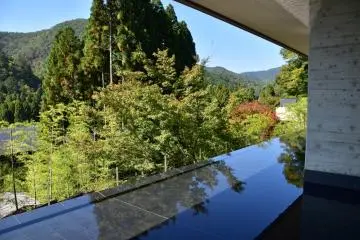
While the allure of Kyoto often lies in its historic temples and bustling Gion streets, the true essence of the ancient capital is found in its quietest corners. Nestled deep in the rolling foothills of the Takagamine mountains, ROKU KYOTO, LXR Hotels & Resorts offers a different kind of luxury: total seclusion. [photo id='245658'] As the first LXR property in the Asia-Pacific region under the Hilton brand, ROKU KYOTO is designed as an intimate retreat. The resort sits along the Tenjin River, a location that was once an artist's colony, and today serves as a sanctuary where nature, art, and French culinary techniques converge. A Modern Aesthetic Rooted in Tradition [photo id='245654'] From the moment of arrival, the "Dive into Kyoto" concept is palpable. The architecture is a modern interpretation of traditional Japanese aesthetics, utilizing the breathtaking panorama of the mountains as a borrowed landscape. The guest rooms are designed to maximize this connection to nature. For the ultimate indulgence, the Onsen Garden Rooms feature their own private hot spring baths overlooking a private garden, while the Poolside Terrace Rooms offer direct access to the resort’s water features. Culinary Artistry at TENJIN [photo id='245665'] Dining at ROKU KYOTO is anchored by TENJIN, a venue split into three distinct zones: the Chef's Table, All-Day Dining, and The Bar. For the gourmand, Tenjin Chef’s Table is the highlight. Here, the culinary team presents an unconventional take on French cuisine, exploring themes of nature and art using the finest locally sourced seasonal ingredients. It is a sensory experience that requires reservations a day in advance, ensuring an exclusive atmosphere. TENJIN All-Day Dining: This space serves as the heart of the resort's culinary offerings, open daily from 7 am – 10 pm. Whether joining for breakfast, lunch, or dinner, guests can enjoy locally sourced ingredients blended with contemporary French influences. The menu offers both sophisticated set courses and flexible à la carte seasonal favorites, as well as light bites throughout the day. [photo id='245653'] For a more relaxed evening, Tenjin The Bar offers a luxurious vibe with views of the reflecting water basin—the perfect spot to enjoy signature cocktails made from natural ingredients or rare Japanese liquors. Wellness: The Thermal Pool [photo id='245651'] Perhaps the resort's most unique feature is the ROKU SPA and its outdoor thermal pool. This is the only outdoor natural onsen pool within Kyoto City, which remains open year-round. Drawing natural hot spring water from the adjacent grounds, the pool allows guests to soak up the Takagamine atmosphere in silence. The spa menu is equally impressive, based on the concept of "Kyoto Elements," with treatments like the Signature Tenjingawa Stone Massage, which utilizes warm stones soaked in the river waters to channel the energy of the land. Immersive Cultural Experiences [photo id='245659'] For guests looking to connect deeper with local heritage, the concierge can arrange exclusive activities. You can try your hand at Washi paper making with a paper artist, or learn the art of Kintsugi (gold repair) from a master. There is even a Handicraft Porcelain Making workshop that uses soil from the ROKU KYOTO estate itself. A Family-Friendly Haven While ROKU KYOTO exudes a sophisticated, adult-oriented atmosphere, my recent stay proved that it is surprisingly welcoming to families. Traveling with my wife and baby, we were apprehensive about bringing a little one to such a high-end property, but the team put us at ease immediately. The hotel is fully equipped for young families, offering cribs and creating a comfortable environment within the spacious rooms. We were able to enjoy the luxury of the location without feeling out of place. [photo id='245648'] For those with older children, the thermal pool is accessible during specific daytime hours (9:00 am – 6:00 pm) with supervision, allowing the whole family to enjoy the onsen experience. The resort even offers a "Treasure Hunt," where kids can explore the grounds to find hidden items using a secret map—a thoughtful touch that turns the resort into an adventure. The Verdict Whether you are seeking a romantic culinary journey, a solo wellness retreat, or a luxurious family getaway, ROKU KYOTO manages to be all things at once without compromising its identity. It is a rare gem where the silence of the mountains speaks louder than the city below. These efforts haven't gone unnoticed by the industry’s most discerning critics; ROKU KYOTO recently earned the prestigious Forbes Travel Guide Five-Star rating, alongside accolades from Condé Nast Traveler’s Readers’ Choice Awards, Michelin, and La Liste. [photo id='247356'] [photo id='247355'] [photo id='247354'] [photo id='247353'] [photo id='245656']
Tokyu Harvest Club Kyoto Takagamine & Viala is a gorgeous hotel inside the historical Shozan Resort Kyoto.
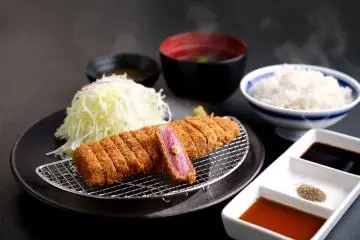
This new restaurant is easily accessible by foot from Arashiyama Bamboo Forest, Arashiyama Station, and Saga-Arashiyama Station, making it an ideal spot to try authentic Japanese gyukatsu. Elevate your already unforgettable trip with an equally memorable meal.
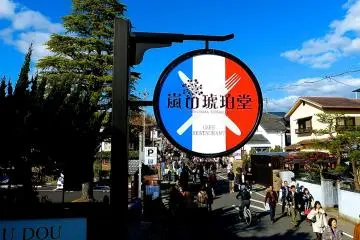
Kohaku-do is a casual French restaurant in Kyoto, Arashiyama. It is situated just a few minutes from Tenryu-ji Temple. And other train stations such as JR Saga-Arashiyama, Arashiyama Station on the Keifuku Dentetsu Line and Hankyu Line are all within a few minutes walk. The price range for the lunch sets is 2000-3000 yen, including hors d’oeuvre, soup, bread, a main dish, desert and a drink-bar. We ordered grilled whitefish and a hamburg steak. Both of the main dishes were quite good!
Foods Choices in Arashiyama. Serene eating encounters with eel or energy of the masses
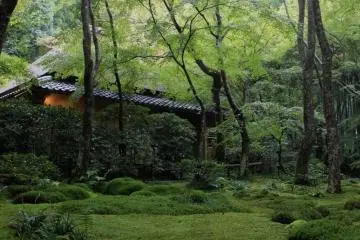
Gioji Temple (祇王寺) is a secluded Buddhist temple known for its picturesque moss garden.
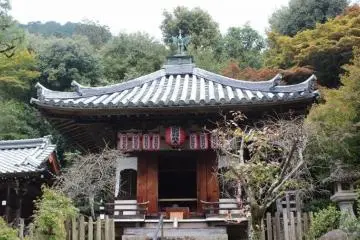
Nison-in is a Tendai Buddhist temple complex in Ukyō-ku, a western ward in the city of Kyoto, Japan. The temple's official name is Ogura-yama Nison-kyō-in Keidai-ji. The temple is a popular destination during the Japanese maple viewing season. [Wikipedia]
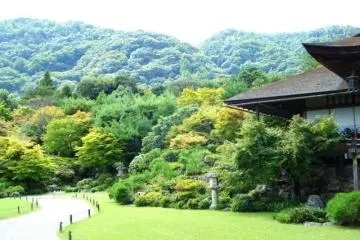
Ōkōchi Sansō is the former home and garden of the Japanese jidaigeki actor Denjirō Ōkōchi in Arashiyama, Kyoto. The villa is open to the public for an admission fee and is known for its gardens and views of the Kyoto area. Several of the buildings are recorded as cultural properties by the national government. [Wikipedia]