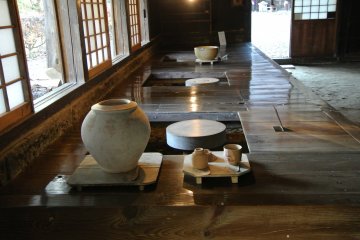
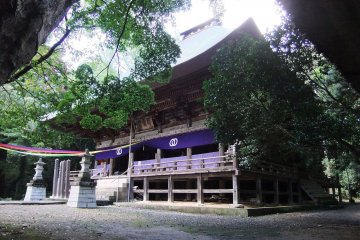
Mashiko is a small town in south east Tochigi that is famous for its pottery. There are hundreds of potters living and working here and almost 400 different styles of pottery available in this one small town.
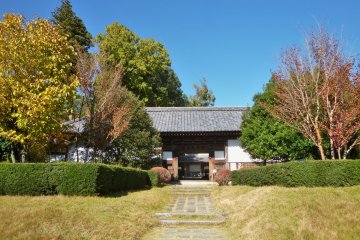
Mashiko was the home and workshop of a Japanese Potter called Shoji Hamada who was designated a Japanese living legend in 1955 for his work. His art and status are widely credited with lifting the profile of Mashiko and its pottery. There is a ceramic museum in town that displays some of his work and history. The town is very tourist friendly with maps in English on their website and local tourist offices that are helpful. The locals are also pretty happy to talk to you and share their knowledge. It’s a great place to visit any time of year, but especially great during their two Pottery Festivals.
The Mashiko pottery scene is also famous for its climbing kilns or “Noborigama” which consist of several small connected kilns climbing up the hillside. Local Japanese red pine is used in the firing process which can take up to 60 hours with temperatures reaching 1300C. The Ceramic museum also has an example of a climbing kiln in its grounds. There are six Mashiko glazes that give the "Mashiko yaki" or Mashiko pottery its unique style including the famous Kaki or persimmon glaze.
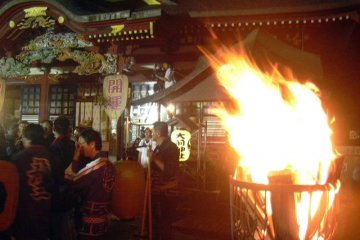
Mashiko becomes yet a greater arts and curiosity emporium come festival time, with tent stalls burgeoning along the main street and filling a nearby park, selling all kinds of wares from pottery to sculpture, produce to handicrafts, and let’s not forget–festival foods such as takoyaki and okonomiyaki; BBQ smoke hangs over the main street like a bride’s veil.
Artisans not only from Mashiko, but neighboring areas and across Japan gather during the first week of May and the first week of November for this festival. The 2011 Great Tohoku quake caved in kilns and shattered wares, but didn’t stop this event or the wonderful spirit that sustains it.
Near the main road, find farmer’s produce such as bamboo shoots (spring), Japanese pears (fall) and strawberries. Then, pass the antique shops, full of beautifully arranged curiosities. Next, you come to some cafés and restaurants, food stalls, and the town center with a giant hideous ceramic raccoon dog (tanuki) towering over the town square. The Indigo dye house with its thatched roof marks the end of the main street.
The spring festival occurs during Golden Week, when daffodils and many other flowers are in bloom, but also when Japanese roads and trains fill with vacationers. Fall is not much different – the first week in November is prime time for city dwellers to go driving to enjoy the autumn colors - so take this into consideration when planning how to get there.
Utsunomiya Information Center at the Utsunomiya Station can provide walking directions to the bus stop for the Mashiko-bound bus (about 10 minutes walk from the Station’s West Exit) if you decide to take that route. No matter how you get there, you'll need to burn some calories to see it all.